Boron nitride ceramic structural components are now being used in hot pressing dies to handle extreme pressures and temperatures. These parts show strong performance where traditional materials fail. The unique properties of boron nitride allow it to stay stable under intense heat and mechanical stress. This makes it ideal for demanding industrial applications.
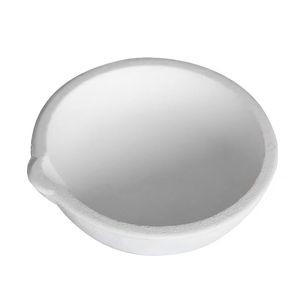
(Boron Nitride Ceramic Structural Components for Hot Pressing Dies Withstand Extreme Pressures and Temperatures)
Manufacturers rely on these components for consistent results in high-temperature processes. Boron nitride does not react easily with other materials. It also resists thermal shock and maintains its shape even when heated rapidly. These traits help extend the life of hot pressing equipment and reduce downtime.
The material’s low thermal expansion means it changes size very little when heated. This stability is critical during precision forming operations. In addition, boron nitride has good electrical insulation and releases molded parts easily. These features support smoother production cycles and better product quality.
Recent advances in manufacturing have improved the strength and density of boron nitride ceramics. This allows them to endure higher loads without cracking or deforming. Companies using these upgraded components report fewer replacements and lower maintenance costs. The parts also perform well in vacuum and inert atmospheres, which are common in advanced material processing.
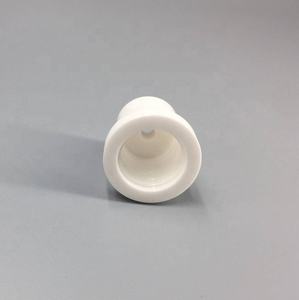
(Boron Nitride Ceramic Structural Components for Hot Pressing Dies Withstand Extreme Pressures and Temperatures)
Demand for boron nitride-based hot pressing dies is growing across aerospace, electronics, and specialty metals industries. Users value their reliability and efficiency in harsh environments. As production methods continue to evolve, these ceramics are becoming more accessible for a wider range of high-performance applications.